

How to Support Your Child Through Exam Stress
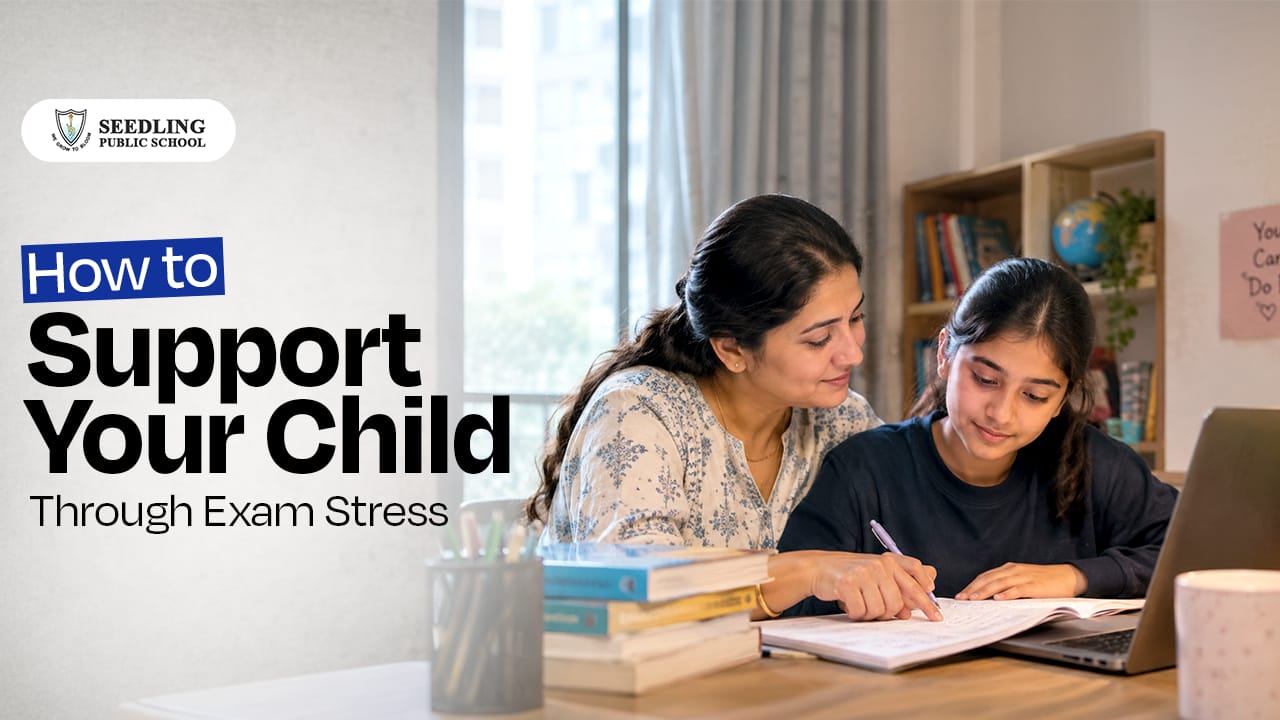
Exam season can change the atmosphere at home. A child who is usually cheerful may become quieter, irritable or unusually worried about performance. For parents, the challenge is knowing when to step in, what kind of support actually helps, and how to avoid adding more pressure.
At Seedling Public School, academic learning is approached alongside children’s overall development and wellbeing. Its learning support includes counselling, emotional wellness and parent partnership, recognising that students may need support beyond academics during demanding periods.
Whether your child attends an English medium school in Jaipur or studies in another school environment, parents can play an important role in helping them manage academic pressure constructively. For families searching for the best CBSE school in Jaipur, academic outcomes are only one part of the decision. A school’s approach to student wellbeing, communication and overall development can matter too.
The aim is not to remove every source of exam stress. It is to help your child handle it with confidence and understand that academic performance does not define their worth.
Admissions Open
Give Your Child the Best Start
Join Seedling Public School and unlock a world-class learning environment built for tomorrow's leaders.
Apply for Admission →In This Article
Early Signs of Exam Stress in Children
Exam stress does not always look like obvious anxiety or panic. A child may complain of headaches or stomach aches, sleep poorly, become unusually irritable, lose interest in activities or seem persistently negative.
The first step is to notice a change from your child’s usual behaviour.
Instead of immediately asking, “How much have you studied?”, try asking, “How are you feeling about your exams?” Giving your child space to talk can help them express worries rather than carrying them alone.
For parents exploring a CBSE school in Jaipur, it is also worth understanding how a school approaches student wellbeing. Academic support is valuable, but children also benefit when teachers and parents recognise changes in behaviour and communicate about them early. WHO also highlights the importance of supportive family and school environments for adolescent wellbeing.
Help Your Child Manage Exam Preparation
A long syllabus can feel impossible when a child sees it as one large task. Parents can help turn it into smaller, manageable goals.
Sit with your child and ask what kind of support would actually be useful. It might mean creating a realistic revision timetable, organising materials, arranging a quiet study space or simply protecting their study time.
Ask Before You Advise
Before offering solutions, ask your child what would help. They may need help planning revision, a quiet space, reassurance after a difficult paper or simply someone to listen. Asking first can make support feel less like supervision and more like partnership.
The important distinction is supporting the plan without taking control of it. Giving your child some ownership of the routine can make the process feel more collaborative rather than constantly monitored.
A supportive school environment can reinforce these habits by helping students build organisation, confidence and healthy study routines alongside academic learning.
Prioritise Sleep, Nutrition and Breaks During Exams
Exam preparation should not mean sacrificing basic wellbeing.
Good sleep supports thinking and concentration. The NHS notes that most teenagers need around 8 to 10 hours of sleep each night and advises against all-night cramming.
Regular meals and physical activity can also support wellbeing during exam periods. A short walk or another form of exercise can provide a useful break from revision.
These habits are not distractions from exam preparation. They are part of maintaining the energy and concentration needed for it.
How Parents Can Support Children After an Exam
Repeatedly analysing a paper that has already finished can keep a child focused on what cannot be changed.
Instead of immediately asking, “What did you get wrong?”, ask how your child felt about the experience. Encourage them to acknowledge what went well and then shift their attention to the next paper.
This approach applies whether your child studies at a CBSE school in Jaipur, another board school or an English medium school in Jaipur.
When to Seek Help for Exam Stress
Some exam-related stress or anxiety can be normal, particularly around important examinations. It becomes a concern when it is persistent, severe or begins interfering with everyday life. Parents should pay attention to significant or lasting changes in their child’s behaviour and seek additional support when needed.
If anxiety begins affecting sleep, school, relationships or everyday activities, parents can start by speaking with a trusted teacher or school counsellor. If symptoms are severe or persistent, a healthcare professional can provide further assessment and guidance.
In India, the Ministry of Education’s student support resources also list Tele-MANAS at 14416 / 1800-891-4416 for 24/7 mental health support.
Supporting Your Child Beyond Exam Results
Exam results are important, but they are only one part of a child’s development. Parents can reinforce this by recognising effort, persistence and healthy coping, rather than making every conversation about marks. Children need someone who can listen, help them regain perspective and remind them that one examination cannot define their future.
Parents can provide that reassurance at home, while schools and teachers can reinforce it through communication, guidance and a supportive learning environment. This shared approach is particularly valuable during demanding academic periods.
At Seedling Public School, this broader approach includes academic support alongside counselling, emotional wellness and parent partnership.
Ultimately, supporting a child through exam stress is not about making exams disappear. It is about helping them develop the confidence, routines and emotional resilience to face pressure without feeling defined by it.
FAQs
1. Can exam stress cause physical symptoms in children?
Yes. Stress and anxiety can be associated with headaches, stomach problems, sleep difficulties and changes in appetite. Persistent symptoms should be discussed with a healthcare professional.
2. How can parents tell normal exam nerves from a concern?
Some nervousness before exams is normal. It becomes more concerning when anxiety is severe, persistent or begins interfering with everyday life.
3. Can exam anxiety affect concentration?
Yes. Significant anxiety can make it harder for children to concentrate and manage everyday activities. Persistent difficulties may require additional support.
4. What if a child is afraid of disappointing their parents?
Reassure them that mistakes and disappointing results do not change your support for them. Keep conversations focused on what they can control rather than comparisons or future consequences.
5. Should parents discuss the exam immediately after it ends?
It can help to ask how the child felt about the exam and acknowledge what went well. Avoid repeatedly analysing difficult questions and encourage them to focus on the next paper.
Ready to Enrol?
Begin Your Admission Journey
Seats are limited. Secure your child's place at Seedling Public School today.
Enquire Now →Written by
SPS Editorial Team
SPS Editorial Team creates trusted educational content for Seedling Public School (SPS). Our articles are developed with insights from experienced educators and academic professionals, ensuring every piece is accurate, practical, and relevant. We are committed to providing reliable resources that support students, parents, and lifelong learning.