How to Prepare Your Child for School Admission Interviews
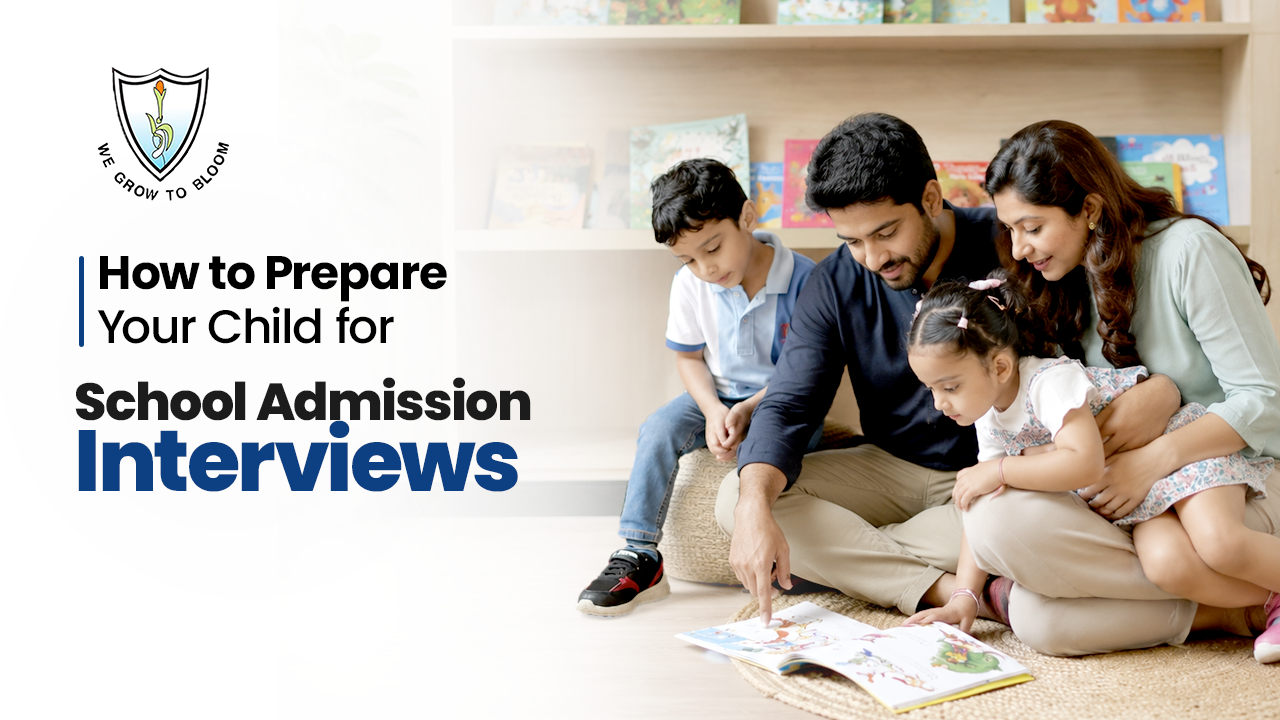
Preparing your child for a school admission interview can feel overwhelming for many parents. Every parent wants their child to speak confidently, feel comfortable, and leave a positive impression.
But in 2026, schools are not looking for memorised answers—they’re looking for children who communicate naturally, stay confident, and express themselves comfortably. That’s why the right preparation is less about pressure and more about building confidence in simple, natural ways.
In This Article
What Actually Happens in an Admission Interview?
A school admission interview is not an interrogation. It’s not an IQ test. It’s not a performance your child needs to nail.
It’s a friendly chat. Interviewers want to see how your child thinks, what they enjoy, and how they express themselves. That’s it.
Admissions Open
Give Your Child the Best Start
Join Seedling Public School and unlock a world-class learning environment built for tomorrow's leaders.
Apply for Admission →Common questions include things like:
• What’s your favourite thing to do after school?
• Tell me about a subject you really enjoy.
• What do you want to be when you grow up?
• Describe a moment you were really proud of.
Top Tips to Prepare Your Child for the Admission Interview
Here’s what actually works — practical, simple, and stress-free:
1. Practice talking, not performing
There’s a difference between memorising answers and speaking naturally. Let your child express themselves freely,even small pauses or mistakes are completely okay. Confidence comes from comfort, not perfection.
2. Work on the basics — greeting and eye contact
Teach your child to say hello with a smile, shake hands (or greet warmly as they’re comfortable), and make gentle eye contact. These small things make a big impression.
3. Talk about their interests, genuinely
Ask them what they love — drawing, cricket, coding, dancing, Minecraft. Whatever it is, let them talk about it. Passion is contagious, and interviewers love it.
4. Read together in the week before
Even 10 minutes of reading aloud every evening sharpens how a child forms and shares thoughts. It builds vocabulary and confidence quietly, without it feeling like “prep.”
5. Role-play an interview at home
Sit across from your child, pretend to be the interviewer, and keep it fun. Laugh when things go sideways. The goal is familiarity, not pressure.
6. Let them pick the outfit
Yes, really. When a child feels good in what they’re wearing, they carry themselves differently. Dress smartly, but let them have a say.
How to Make Sure They’re Not Nervous on the Day
This one’s big,because a child’s nerves on interview day are often a reflection of their parent’s nerves. Here’s how to keep the energy calm and positive:
- Don’t over-talk the interview the night before. Have a normal evening. Watch something fun, eat their favourite dinner, keep it chill.
- Get a good night’s sleep. This is non-negotiable. A tired child cannot perform at their best, no matter how prepared they are.
- Morning of — keep it warm and familiar. A good breakfast, a hug, and your most convincing “you’ve got this” smile.
- In the car or on the way, don’t quiz them. Play music they like. Talk about something unrelated. Let them arrive feeling calm.
- Remind them it’s just a chat. Say something like: “You’re just going to talk to some really nice people who want to get to know you.” That framing changes everything.
What Schools Are Actually Looking For
Across the board, school interviewers are not hunting for the most academically advanced child in the room. They’re looking for:
- Curiosity: Schools notice children who are naturally interested in the world around them. A child who asks questions, observes things, and reacts with excitement often leaves a strong impression.
- Communication: It’s not about speaking perfect English or giving polished answers. Schools simply want to see whether a child can express their thoughts comfortably and clearly in their own way.
- Confidence: Real confidence doesn’t mean being overly loud or fearless. It’s the small comfort of being able to speak, smile, and respond naturally without feeling too pressured or scared.
- Kindness: The way a child talks about friends, parents, teachers, or even simple situations says a lot about their emotional warmth and behavior towards others.
- Resilience: Children don’t need to have all the answers. What matters more is whether they can handle small challenges, unfamiliar situations, or mistakes calmly without completely shutting down.
How Seedling Group of Schools Approaches Admission Interviews Seedling Group of Schools, admission interviews are designed to feel comfortable, child-friendly, and pressure-free. The focus is not on perfect answers, but on understanding each child’s personality, confidence, communication, and natural behaviour in a calm environment.
- Comfort Over Pressure: Children are encouraged to speak freely in a calm and friendly environment without feeling intimidated.
- Understanding the Child Naturally: Teachers focus on how a child communicates, responds, interacts, and expresses curiosity in real conversations.
- A Parent-Friendly Approach: The admission process is designed to reassure parents and create open, supportive communication throughout.
- Every Child Is Seen Differently: The school values each child’s unique personality, learning style, and pace of growth instead of expecting perfection.
- Confidence Matters More Than Perfection: The aim is to help children feel relaxed enough to show their real personality comfortably and confidently.
Final Verdict
At Seedling Public Schools, admissions are not just about enrolling students — they are about welcoming young learners into a supportive environment where curiosity, confidence, and growth are nurtured every day.
Schedule a campus visit and experience the Seedling approach to learning.
Frequently Asked Questions
What questions are asked in a school admission interview for kids?
Schools typically ask warm, open-ended questions: What do you enjoy doing? What’s your favourite subject? Can you tell me about a time you were proud of yourself? Tell me about a good friend. These are conversation-starters, not tests.
How do I stop my child from being nervous before the school interview?
Keep the night before completely normal. Ensure a good night’s sleep. Have a proper breakfast. On the way there, talk about anything but the interview. And remind them simply: “Just be yourself.” Your own calm is the single most powerful tool you have.
What should a child wear to a school admission interview?
Smart and comfortable. Your child should look neat and tidy but feel completely like themselves. Avoid stiff or brand-new clothes they’ve never worn — unfamiliar clothing affects how a child carries themselves. Let them have a say in what they wear.
Does my child need to be academically strong to pass an admission interview?
Not at all. Most schools are looking for curiosity, communication, kindness, and personality not academic perfection. Intelligence shows up in many forms: creativity, empathy, enthusiasm, humour. Your child’s unique spark matters far more than their test scores.
Ready to Enrol?
Begin Your Admission Journey
Seats are limited. Secure your child's place at Seedling Public School today.
Enquire Now →Written by
SPS Editorial Team
SPS Editorial Team creates trusted educational content for Seedling Public School (SPS). Our articles are developed with insights from experienced educators and academic professionals, ensuring every piece is accurate, practical, and relevant. We are committed to providing reliable resources that support students, parents, and lifelong learning.